From Field to Fireside: The Bedfordshire Makers Feeding Our Autumn 2026 Menu
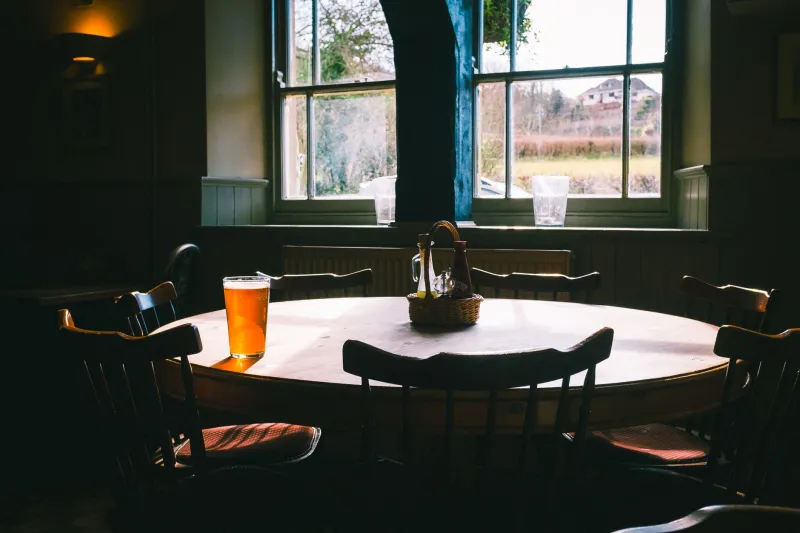
Autumn at The White Horse has a particular smell. Woodsmoke from the fire, malt from the cellar, and something sweet coming out of the kitchen. In 2026, that smell is more local than ever. Our autumn menu is built around five Bedfordshire producers, each within a short drive of the pub. This is not a box-ticking exercise. It is how we get better pies, sharper cheese and a pint that tastes like it belongs here.
The baker: Willington Bakehouse
Willington Bakehouse is about nine miles from our door, which is close enough that the bread still feels warm when it arrives. Head baker Ruth starts at three in the morning, and the first thing you notice is the smell of the rye. It has a dark, faintly treacle edge that works beautifully with sharp cheese. The white sourdough is the other house favourite: crackling crust, soft middle, and just enough tang to remind you it has taken its time.
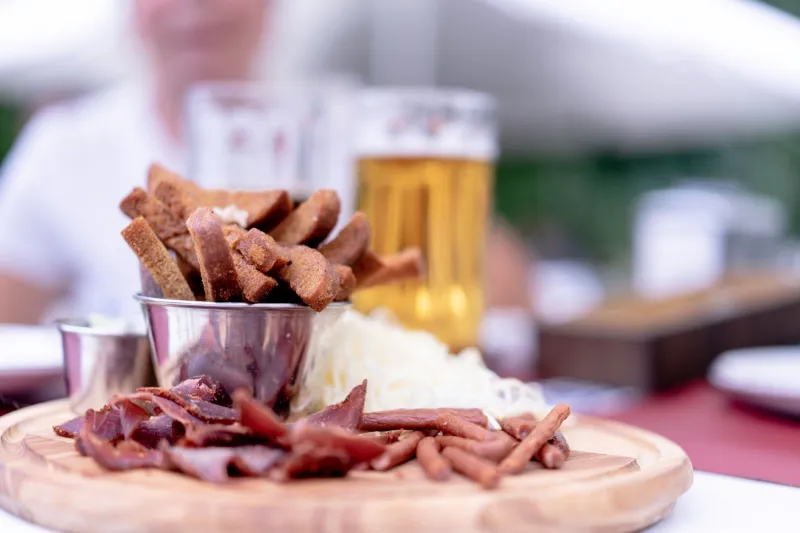
On the autumn 2026 menu, that bread turns up in two places worth seeking out. The smoked ham hock rarebit sits on toasted rye, with the cheese sauce cutting through the smoke. And the sourdough with whipped butter is the sort of simple starter that tells you everything about a kitchen. If the bread is good, the rest usually follows.
The cheesemaker: Marston Vale Dairy
Marston Vale Dairy makes a soft blue called Vale Blue, and it has become one of the quiet stars of the menu. The milk comes from a herd grazing on the clay and grassland between Marston Moretaine and Lidlington, and the cheese is made in small batches. Tasting notes? Buttery first, then a gentle blue kick. It is not trying to blow your head off. It is trying to make you reach for another oatcake.
We use Vale Blue in the pear, walnut and blue cheese salad, where the fruit does most of the sweet talking. It also appears on the ploughman's board, alongside pickles and that Willington sourdough. The dairy is around seven miles away, which means the cheese has a shorter journey than most of us have on a Monday morning.
The grower: Grange Farm, Bromham
Grange Farm sits just outside Bromham, and this season it is supplying the roots, greens and beetroot that keep the menu grounded. The carrots are earth-sweet rather than watery, the kale has enough bite to stand up to a pie, and the beetroot is the deep, staining purple that makes you remember why you like it. Nothing is arriving in plastic-heavy pallets from three counties away.
The kitchen uses the beetroot in a warm tart with goat's cheese and toasted seeds, and the kale turns up alongside the pork loin. The farm is four miles from the pub, which is about as local as a main course gets without growing it in the beer garden. When the crop finishes, the dish changes. That is the deal with proper seasonal sourcing.
The orchard and hive: Clophill Orchard
Clophill Orchard is a small outfit that presses apples and keeps a handful of hives among the trees. The honey is floral without being perfumed, and the cider syrup has a sharp, cooked-apple depth that is tailor-made for colder evenings. It is the kind of producer that makes you realise how much flavour gets lost when food is chosen for shelf life rather than taste.
This autumn, the orchard's cider and honey glaze is used on the pork loin, and the honey turns up in the apple and honey crumble. The apples are local, the honey is local, and the result tastes like November in Bedfordshire. The orchard is around twelve miles away, so the food miles are modest and the flavour is not.
The brewer: Woburn Sands Brewery
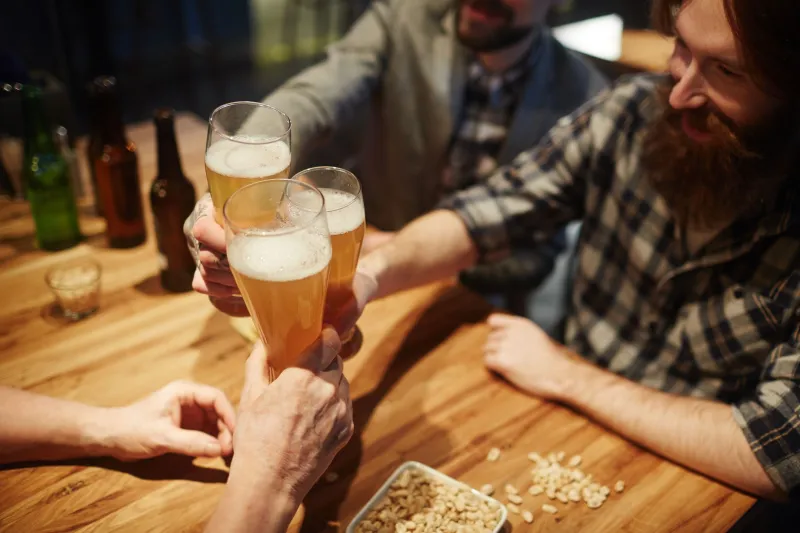
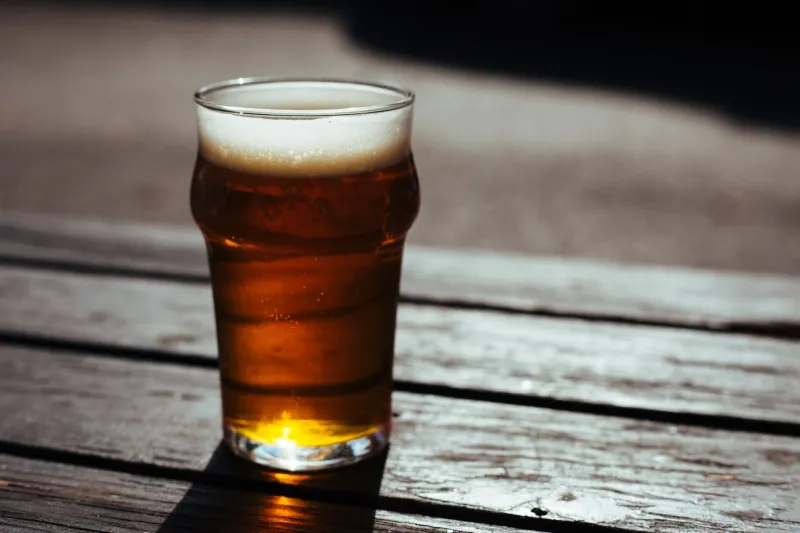
Woburn Sands Brewery supplies our current guest ale, Harvest Pale, a 4.1% beer with biscuit malt and a hedgerow hop finish. It is brewed about sixteen miles from the pub and delivered in casks, which is exactly how a guest ale should arrive. Tasting notes are straightforward: a little toast, a little citrus, and a clean finish that makes it dangerously easy to order a second.
Harvest Pale is on the handpull alongside our regular beers, and it is there because it suits the food. It cuts through the rarebit, stands up to the pork, and does not overwhelm the cheese. The brewery is small enough that the beer does not sit around. When the cask is gone, it is gone, and the next guest ale takes its place.
What local means at The White Horse
Local is not a label we stick on a menu and forget about. It is a set of trade-offs. It means paying a fair price to producers who are close enough to visit. It means planning dishes around harvests rather than insisting on the same ingredients all year. It means accepting that when the kale runs out, we change the dish instead of flying in more.
Our autumn 2026 menu averages under thirty miles for its main produce, and most of the names above are much closer than that. But the real point is not the number. It is that the bread tastes better, the cheese has character, and the beer has a story. That is what proper local sourcing looks like on a Tuesday in Bedford.
Come and taste the difference
The autumn menu is available now, and the guest ale line will rotate through the season. If you want to know where the beetroot came from or how the Vale Blue is made, ask at the bar. We like talking about this stuff. And if you are lucky, the bread will still be warm.