Hoofprints on the High Street: The Legends Behind The White Horse Sign
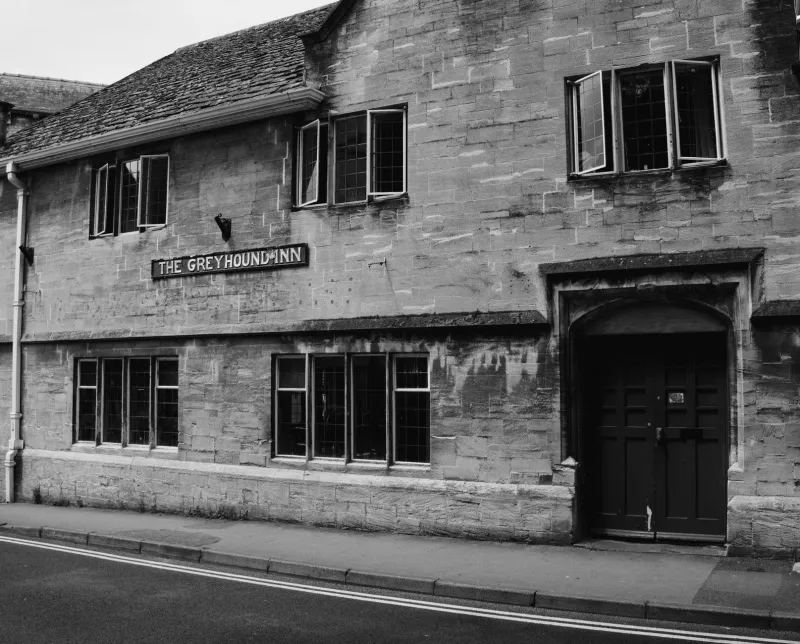
Pub signs are often overlooked. We walk past them, meet under them, use them to give directions. But a sign is never just a sign. It is a small piece of history, a shorthand for a place, and sometimes a story that has been polished by generations of regulars. The White Horse is one of the most familiar pub names in Britain. In Bedford, it has its own place in the town's story.
This is not a definitive history. It is a look at the legends, the symbols and the local meaning behind the name. Some of it is recorded. Some of it is folklore. All of it is part of what makes a pub feel like a pub.
A sign for people who could not read
Centuries ago, pub signs were practical. Many people could not read, so a picture told you what the building was and what it offered. A white horse on a board was easy to recognise, easy to remember and easy to describe. It said: here is a stopping place. Here is a house with a door, a fire and something to drink.
The white horse has been used as a symbol for a very long time. It appears in heraldry, in local crests and in the folklore of many English counties. It can stand for loyalty, strength and travel. It can also be a simple, striking image that looks good on a sign. That is part of the reason the name has endured: it is both grand and ordinary. It belongs to everyone.
The horse in English folklore
England is full of white horses. There are chalk figures cut into hillsides, including the famous Uffington White Horse, which is thousands of years old. There are white horses in heraldry, in folk songs and in stories about travellers and strange sightings. A white horse can be a symbol of good luck. It can be a ghostly creature. It can be a royal badge. It can be all of these things at once.
For a pub, that flexibility is useful. The White Horse does not need to pin itself to one story. The name can carry a little bit of everything: the old world of guilds and crests, the coaching era of travel, and the simple pleasure of a familiar sign at the end of the street.
Bedford's own horse
Bedford is a market town with a long history of trade, travel and gathering. The Great Ouse runs through it, the town has seen centuries of comings and goings, and pubs have always been part of that rhythm. A pub called The White Horse would have been a natural landmark for people arriving from the surrounding villages, for traders with business in town, and for anyone looking for a reliable pint.
There are local stories, as there always are. One version says the sign came from a family crest. Another says it was chosen because a white horse was stabled nearby. A third insists it is simply a lucky name, the kind that makes a building feel like it has always been there. None of these stories can be proved from the cellar up. That is not really the point. The point is that people have told them, repeated them and made them part of the pub's identity.
What the sign means to regulars
For regulars, the sign is not a history lesson. It is a meeting point. It is the thing you look for when you turn the corner. It is the answer to the question: where are we going? It is the shorthand for a pint, a chat, a quiz night, a Sunday lunch, a warm welcome on a cold evening.
That is how a pub name survives. It stops being just a picture on a board and becomes a word people use. The White Horse is not only a symbol from the past. It is a place in the present, with its own rituals and its own cast of characters. In 2026, that is still what matters most.
Why the name endures
Some pub names fade because they no longer mean anything. The White Horse endures because it is open to meaning. It can be a royal emblem, a local legend, a lucky sign or simply a good name for a pub. It can belong to a town's history and to a regular's Tuesday evening. It can be old and still feel current.
A sign is a promise of continuity. It says that people have gathered here before and that they will gather here again. The White Horse, Bedford, carries that promise in a simple image of a horse. It is a small thing. It is also the whole point.
Tell us your version
If you have heard a different story about the sign, we would love to hear it. Pub history is rarely tidy, and the best versions are often told at the bar. Come in, order a pint, and tell us your version. We will listen. We might even argue. That is what a proper local is for.