The Paper Internet: Inside the White Horse Noticeboard
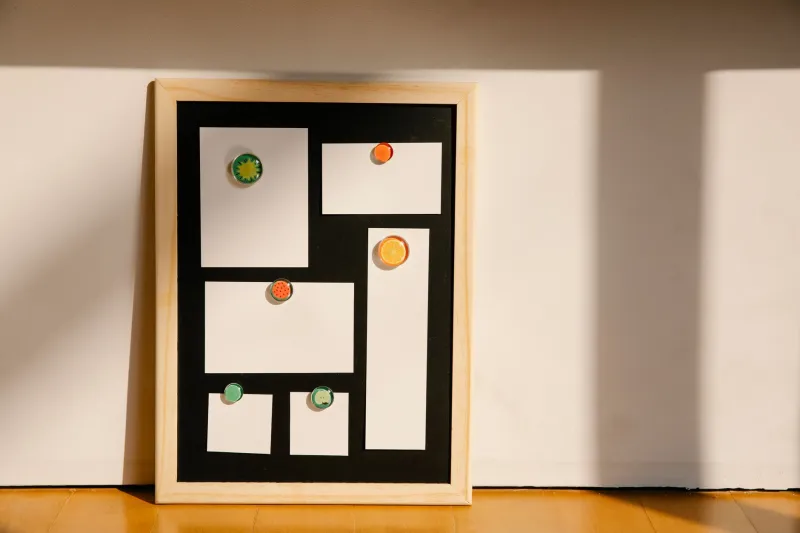
On a wet Tuesday in November 2026, the most-read publication in Bedford might just be a rectangle of cork beside the cloakroom at The White Horse. It has no editor, no paywall and no algorithm. What it does have is a curling corner of a lost-cat notice, three choir flyers, a fundraiser tin held on with electrical tape and a gig poster for a blues band from Kempston. It is not beautiful. It is better than that: it is useful.
A Board With No Algorithm
Ellie, who manages the bar three days a week, calls the noticeboard ‘the paper internet’. She is only half joking. ‘We thin it out every six weeks or so,’ she says. ‘But you never clear it completely. Someone always notices that their thing has gone.’ The board is not curated in any formal sense. Staff remove notices for events that have passed, peel off the oldest layer of quiz-night flyers and wipe down the glass. Everything else is left to the judgement of whoever has a drawing pin.
That lightness is the point. In a year when most of us carry a noticeboard in our pocket, the cork one by the toilets still does something a phone cannot. It makes you stand still. It makes you read sideways. It makes you notice that the person next to you is also reading the notice about the missing tortoise.
The Lost Cat and the Thursday Choir
One of the longest-standing notices, until recently, was a handwritten plea for a ginger tabby called Bisto. ‘Last seen near Castle Road on 2 November,’ it read. ‘Answers to his name, or the rustle of a crisp packet. Please call Jan.’ Jan is a regular. She lives four streets away and had pinned the notice on her way home from work. ‘He came back on the Sunday,’ she tells me, slightly embarrassed. ‘He’d been in a shed. But I left the notice up for a week because people kept asking me about him. That was nice, actually. You don’t get that on the Facebook group.’
A few inches to the right, a printed flyer advertises the Bedford Community Choir, Thursdays at 7.30 at St Paul’s Church Hall. First session free, all voices welcome. Ruth, who organises it, says the board has brought in two new altos and a tenor since September. ‘We put it on Instagram as well,’ she says. ‘But the pub board is where people actually turn up from. I think it’s because they can see it while they’re waiting for a pint. There’s no commitment until they’re already in the room.’
The Gig Flyer Economy
Look closely and you can date the board like a rock face. The bottom strata are old quiz nights, a yoga class that stopped in the spring and a laminated notice for a Christmas fair that has been there so long it has become part of the furniture. The top layer is this week: a gig flyer for Tin Roof, a Kempston blues trio playing on Friday 20 November, free entry. There is also a QR code on the flyer, which someone has circled in biro with the word ‘works’ written next to it.
Dave, the landlord, says the board helps fill the back room for music nights. ‘We do the social media thing, obviously,’ he says. ‘But there’s a certain kind of person who will come out on a Friday because they saw a poster while they were having a quiet one on Tuesday. The board gets them early. It’s not shouting at them. It’s just there.’
The Fundraiser Tin and the Quiet Arithmetic
Then there is the tin. It sits on a small shelf below the board, held in place by a strip of black tape and a handwritten label for the King’s Arms Project. Next to it, a smaller jar collects for Bedford Foodbank. Neither is glamorous. Both are nearly always full of pound coins and the occasional fiver.
Mick, a regular of some forty years, says he reads the board every time he comes in, even though he knows it has not changed much. ‘You can’t scroll past a tin, can you?’ he says. ‘You see it, you put something in. That’s the difference.’ The sums are modest — maybe forty quid a month between them — but they are real. The board does not pretend to be a movement. It is a neighbour with a spare key.
Why Cork Still Wins
Sarah, who has lived in Bedford for twelve years, says the noticeboard is the only place where a lost cat and a choir rehearsal have equal billing. ‘My phone is for everything except my street,’ she says. ‘This board is my street.’ She has used it herself, pinning a note about a missing set of keys and, later, a small ad for a spare room in her house. ‘I found a lodger through it,’ she says. ‘He was in the pub anyway. It felt less weird than the internet.’
Staff see the board as part of the pub’s role, not a quirky extra. ‘We’re a local,’ Ellie says. ‘People come in for a pint and a pie, but they also come in because they want to know what’s going on. The board is the what’s-going-on.’
The Rules of the Board
There is an etiquette to it, mostly unwritten. Date your notice. Don’t cover the tin. Take your flyer down once the event has passed. Do not pin a business card over a lost dog. Laminated notices survive longest; handwritten ones have more soul. A child’s drawing has been pinned to the bottom right corner since October half-term. Nobody knows who made it. Nobody has taken it down.
The board is not a museum. It is a conversation that happens to be held together with drawing pins. Next time you are in, read it properly. You might find a choir, a cat, a gig or a reason to put a pound in the tin. And if you have something to pin up, there is usually a spare corner. Leave the lost cat some room.