Scoreboard Diplomacy: The Case for a Midweek Games Table at The White Horse
The best screen is a scoreboard
There is a particular kind of pub evening that has nothing to do with watching a match, scrolling a phone or shouting over a television. It involves a small table, a pint, a set of dominoes and a scoreboard that somebody has wiped clean with the side of their hand. It is not glamorous. It is not efficient. It is, frankly, one of the best reasons to leave the house on a Wednesday.
Pub games have been having a quiet revival for a while now, but they still feel underrated. Darts, dominoes and cribbage are not just ways to pass the time. They give a midweek pint a shape. They give a group something to do with their hands. They give shy people a role and loud people a harmless outlet. And they give everyone a decent excuse to argue about whether a bounce-out counts.
Why midweek suits a game
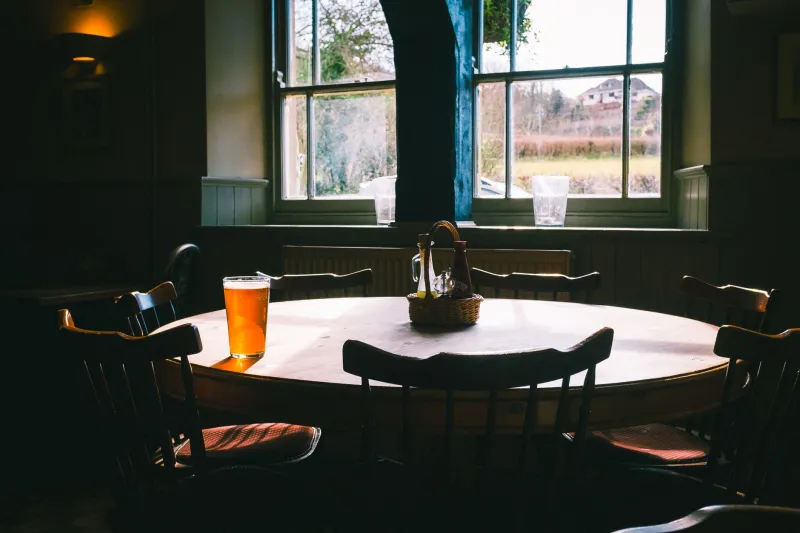
Saturday night has its own energy. It is busy, loud and built for people who have already decided to make a night of it. Midweek is different. The pub is calmer. You can hear the dominoes land. You can take your time over a pint. A game fits that mood better than almost anything else.
It also slows the evening down in a good way. Without a screen, there is no clock to watch. Without a league table, there is no pressure. You play a leg of darts, then a hand of cribbage, then maybe another pint. The conversation drifts. Someone tells a story. Someone else challenges the score. It is not a event; it is an evening.
The etiquette, lightly enforced
Any pub game needs a few rules, and not just the ones printed on the box. These are the social rules, the ones that keep a games table friendly rather than faintly tense.
Agree the rules before the first throw
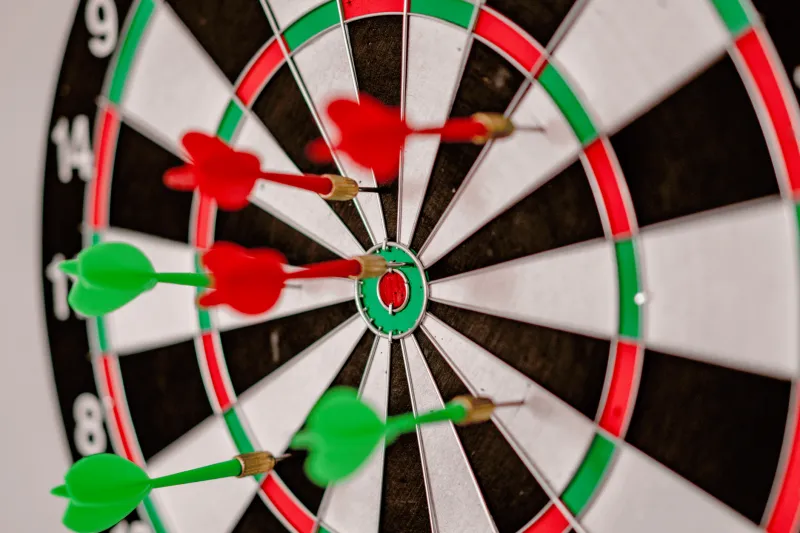
House rules vary. Does a double-one start count? Is a bounce-out live? Do you play 301 or 501? Cribbage has its own language and its own small ceremonies. Sort it out before anyone picks up a dart or deals a hand. A two-minute conversation at the start saves a twenty-minute debate later.
The scoreboard is sacred
Write clearly. Keep an honest score. Do not embellish. A scoreboard is a shared object, and a scruffy one is a small act of aggression against everyone who has to read it. If you are keeping score, take it seriously enough to be legible, but not so seriously that you become the pub’s unofficial referee.
No coaching unless asked
There is a difference between helping a newcomer and narrating every throw like a disappointed darts commentator. If someone asks for a tip, give one. If they do not, let them find their range. The same goes for cribbage. Nobody wants to be told where they went wrong while they are still holding the cards.
Give beginners a fair go
If someone is learning, give them the easier start, the second throw or a bit of leeway. It is not patronising; it is how a games table grows. A newcomer who gets a few turns without being made to feel like an inconvenience is a newcomer who comes back next week.
Arguments should be about the game
A good pub game argument lasts about thirty seconds. It is about whether the dart was in the double, whether the domino was played legally or whether the crib was counted correctly. It is not about the person. Make your case, accept the ruling and get on with it. If you cannot agree, play the point again. If you still cannot agree, order another pint and call it a draw.
How to start a games night at The White Horse
You do not need a committee, a fixture list or a branded lanyard. You need a table and a bit of nerve.
First, pick a midweek evening and ask behind the bar. A corner table is ideal. So is a spot near the darts board, if there is one free. Bring a decent set of dominoes if you have them, and a darts case if you are a darts person. Cribbage is optional but excellent if you have a patient teacher in the group.
Second, keep it open. Put a note on the table, or mention it to the bar staff, so people know a game is happening and that they are welcome to join. The beauty of pub games is that they are easy to dip into. You do not need to commit to a season. You just need to fancy a hand.
Third, resist the urge to over-organise. A games night works best when it feels like it happened by accident. If three people turn up, play dominoes. If six turn up, run a small darts knockout. If someone turns up alone, partner them up. The point is not to build a league. The point is to make a Tuesday or Wednesday feel a bit more like a pub should.
A gentle invitation
If you have read this and thought, I am not good enough at darts or I do not know the rules of cribbage, good. That is exactly the right starting point. Nobody at a casual games table expects an expert. They expect someone who will have a go, laugh at a bad throw and not take the scoreboard too seriously.
As winter 2026 settles in and the evenings get darker, a midweek pint with a scoreboard starts to look very appealing. You do not need a screen. You do not need a reason. You just need a table, a game and a willingness to argue politely about the rules. The White Horse has the first two. The third is up to you.