The Gentle Dark: Bedford’s Mild Ale Moment, One Half at a Time

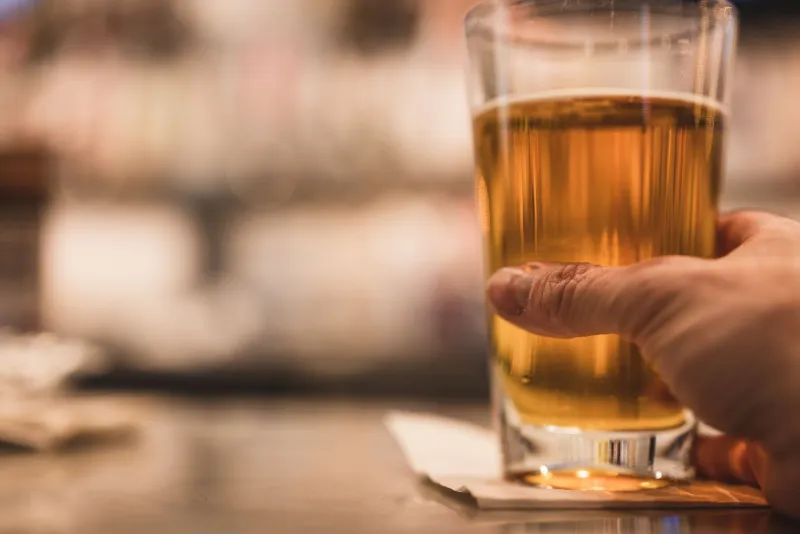
Photo: cask mild ale half pint pub winter fire, via tnhomeandfarm.com
On a damp Tuesday in November, the first pint pulled at The White Horse is not a lager, not a pale, not something with a cartoon animal on the pump clip. It is a mild. Dark, modest, quiet in the glass. And it is not being ordered ironically by a man in a flat cap. It is being ordered by a thirty-something in a raincoat who wants two pints and a pie, and would quite like to remember the walk home.
That, in a nutshell, is mild’s quiet return. Not a revival with a brass band. More a correction. For years the beer was treated as a museum piece, something kept on the bar out of duty rather than desire. Now a new generation of Bedford drinkers is discovering what older regulars never forgot: mild is one of the most useful pints in the business.
A beer that used to be the default
Mild ale was once the everyday drink of large parts of England, Bedfordshire included. The name did not originally mean weak or dark. It meant young — an ale sold fresh, before the hops and time had done their work on a stronger keeping beer. Over the decades it became associated with industrial lunchtimes, working men’s clubs and the kind of pub that had a dominoes board and a notice about the darts team.
By the 1960s and 1970s, mild was in retreat. Lager arrived, keg beer arrived, tastes shifted, and the beer that had once been the default became a niche. In many pubs it survived as a single lonely handpull, a pint ordered by the same three men every week. Bedford never lost it entirely. The town has always had a stubborn streak when it comes to proper beer, and a handful of local bars kept the faith.
Why mild makes sense in 2026
Part of the change is practical. A good mild sits somewhere between 3.2% and 3.6% ABV, which means it fits the way people are drinking now. Not everyone wants a school night to become a school night with consequences. A mild lets you have a second pint, eat something substantial and still be useful the next morning.
The other part is flavour. Mild is malt-forward, which is a polite way of saying it tastes of something. Bread crust, toffee, a little cocoa, sometimes dried fruit. It is not a hop bomb, and it does not want to be. It is a beer that works with food rather than against it. And it is not, despite the colour, heavy. That is the great mild misconception: dark equals stodgy. A well-made mild can be softer and easier than many a pale ale.
What Bedfordshire brewers say
Ask local brewers about mild and you tend to get the same answer: it is a brewer’s beer. There is nowhere to hide. A pale ale can lean on citrus hops, a stout on roast, but a mild has to get its character from malt and fermentation. If the balance is off, you taste it immediately.
The best local examples are not trying to be historical re-enactments. They are clean, drinkable and quietly complex. One might be a pale mild with a nutty edge; another a dark mild with coffee and a dry finish. Brewers around Bedford will tell you that mild is also forgiving with food, which is not the same as boring. It is a beer that knows its job.
A pint for pies, puddings and a plate of cheese
At The White Horse, mild comes into its own on the winter menu. It is the natural partner to a steak and ale pie, though the pie itself may have been made with something stronger. It sits happily beside sausage and mash, beef stew, mushroom suet pudding and a Sunday roast with proper gravy. The malt sweetness has just enough body to stand up to richness without adding more weight.
It is also a fine cheese beer. Mature cheddar, a bit of blue, maybe a slice of fruitcake. The low hop bitterness does not fight the dairy, and the gentle roast note brings out the savoury edge. If you have ever thought you do not like dark beer, this is the route in. Start with a pale mild, then move along the bar.
The flight: three halves, no lecture
This winter we are pouring a simple mild flight at The White Horse: three halves, served together, with a few notes if you want them and none if you do not. Start with a pale mild, move to an amber, finish with a dark. Look for bread, toffee, cocoa, a dry finish. The point is not to turn you into a beer historian. The point is to give mild a fair hearing.
Order it with a pie board or a bowl of something hot. Sit by the fire if there is room. If you still prefer lager afterwards, no harm done. But give the first half a proper chance. Mild has waited a long time for a second look, and it is rather good at being the pint you did not know you wanted.
The quiet return
Mild never left Bedford. It just stopped being fashionable. Now, in a small way, it is finding its seat again — not as a novelty, but as a sensible, flavoursome pint for a cold night. The return is quiet because mild is quiet. That is the whole point. Come in, order a half, and see what the dark has been keeping to itself.